Essential Steps for Successful Liquid Marinade Production
Creating the perfect liquid marinade can elevate your dishes from ordinary to extraordinary. Whether you are grilling, roasting, or sautéing, a well-crafted marinade can infuse your food with flavor and tenderness. In this blog post, we will explore the essential steps for successful liquid marinade production. By the end, you will have the knowledge to create marinades that will impress your family and friends.
Understanding Marinades
Before diving into the steps, it is important to understand what a marinade is. A marinade is a mixture of ingredients used to flavor and tenderize food. It typically consists of an acid, oil, and various seasonings. The acid helps to break down proteins, making the food more tender, while the oil adds moisture and flavor.
Types of Marinades
There are two main types of marinades: wet and dry. Wet marinades are liquid-based, while dry marinades consist of spices and herbs. For this post, we will focus on wet marinades, as they are the most common and versatile.
Step 1: Choose Your Base
The first step in creating a liquid marinade is to choose your base. The base usually consists of an acid and oil. Common acids include:
Vinegar: Balsamic, apple cider, and red wine vinegar are popular choices.
Citrus Juice: Lemon, lime, and orange juice add a fresh flavor.
Wine: Both red and white wines can be used for depth.
For the oil, you can use:
Olive Oil: A classic choice that adds richness.
Vegetable Oil: A neutral option that won’t overpower other flavors.
Sesame Oil: Great for Asian-inspired marinades.
Example
For a simple chicken marinade, you might use:
1/2 cup olive oil
1/4 cup lemon juice
2 cloves minced garlic
Step 2: Add Flavorings
Once you have your base, it is time to add flavorings. This is where you can get creative. Common flavorings include:
Herbs: Fresh or dried herbs like rosemary, thyme, or cilantro.
Spices: Paprika, cumin, or black pepper can add warmth.
Sweeteners: Honey, brown sugar, or maple syrup can balance acidity.
Example
For a steak marinade, consider adding:
1 tablespoon fresh rosemary
1 teaspoon black pepper
1 tablespoon brown sugar
Step 3: Combine Ingredients
Now that you have your base and flavorings, it is time to combine everything. You can do this in a bowl or a jar. If using a jar, simply shake it until well mixed. If using a bowl, whisk the ingredients together until they are fully combined.
Tip
Make sure to taste your marinade before using it. Adjust the flavors as needed by adding more acid, sweetness, or spices.
Step 4: Marinate Your Food
Once your marinade is ready, it is time to marinate your food. Place your protein or vegetables in a resealable bag or a shallow dish. Pour the marinade over the food, ensuring it is well coated. Seal the bag or cover the dish and refrigerate.
Timing Matters
Chicken: 1 to 4 hours
Beef: 4 to 24 hours
Vegetables: 30 minutes to 2 hours
Example
For chicken breasts, marinate for about 2 hours for optimal flavor without becoming mushy.
Step 5: Cook Your Food
After marinating, it is time to cook your food. Remove it from the marinade and discard the leftover liquid. Cooking methods can vary based on the type of food:
Grilling: Perfect for meats and vegetables.
Baking: Great for chicken and fish.
Sautéing: Ideal for vegetables.
Safety Tip
Always discard used marinade to avoid cross-contamination. If you want to use it as a sauce, set aside a portion before adding raw food.
Step 6: Experiment and Adjust
The final step in successful liquid marinade production is to experiment and adjust. Don’t be afraid to try new ingredients or combinations. Keep notes on what works and what doesn’t. This will help you refine your marinades over time.
Example
If you find that a marinade is too acidic, try adding more oil or sweetener. If it lacks depth, consider adding more spices or herbs.
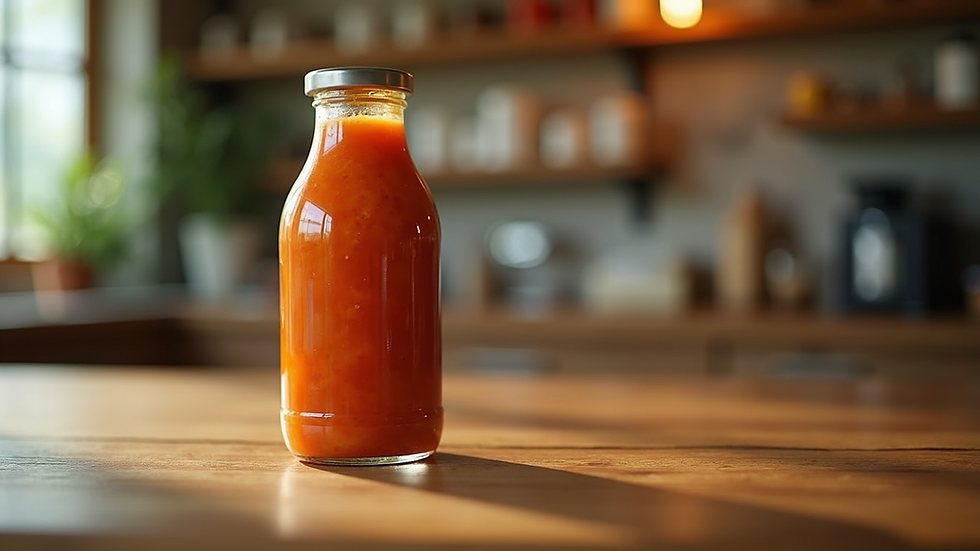
Visual Inspiration

Final Thoughts
Creating a successful liquid marinade is a rewarding process that can enhance your cooking. By following these essential steps, you can craft marinades that suit your taste and elevate your meals. Remember to choose your base, add flavorings, combine ingredients, marinate your food, cook it properly, and most importantly, experiment. With practice, you will become a marinade master in no time. Happy cooking!

Comments